The Timeless Appeal of English Classic Style in Modern Design
English Classic Style, often characterized by its refined elegance and enduring aesthetic, has long been a staple in the world of design. Rooted in the traditions of British craftsmanship and visual culture, this style continues to resonate with professionals, creators, and entrepreneurs across various industries. Its ability to blend sophistication with practicality makes it particularly relevant in today’s fast-paced and ever-evolving creative landscape.
At its core, English Classic Style embodies a sense of timelessness. It draws inspiration from historical periods such as the Georgian and Victorian eras, incorporating elements like intricate detailing, balanced compositions, and a focus on quality materials. These characteristics are not merely about nostalgia; they reflect a deep appreciation for craftsmanship and an understanding of what truly stands the test of time.
Understanding English Classic Style
English Classic Style is more than just a visual aesthetic—it is a philosophy that values form, function, and heritage. It often features clean lines, muted color palettes, and a strong emphasis on symmetry. This approach contrasts with the more chaotic or trend-driven styles that dominate contemporary design, offering a refreshing alternative for those seeking depth and authenticity.
One of the defining aspects of this style is its versatility. Whether applied to interior design, graphic design, or product development, English Classic Style can be adapted to suit modern needs without losing its essence. For instance, a designer might use a classic font paired with a minimalist layout to create a sophisticated yet contemporary look. This adaptability ensures that the style remains relevant across different platforms and mediums.
Relevance in the Broader Industry Landscape
In the context of the broader design industry, English Classic Style aligns with growing consumer demand for authenticity and sustainability. As more people seek out products and experiences that reflect their values, there is a renewed interest in traditional techniques and materials. This shift is evident in sectors such as fashion, home decor, and digital media, where consumers are increasingly drawn to items that tell a story and carry a sense of history.
Moreover, the rise of digital tools and software has made it easier for designers to incorporate classic elements into their work. Programs like Adobe Photoshop and Illustrator allow for precise control over typography, color, and composition, enabling creators to experiment with English Classic Style while maintaining a modern workflow. This intersection of tradition and technology highlights the dynamic nature of the style and its potential for innovation.
Why English Classic Style Captures Attention
What makes English Classic Style so appealing is its ability to evoke a sense of calm and confidence. In a world filled with constant change and uncertainty, the stability and reliability of classic design offer a reassuring contrast. This is especially true for entrepreneurs and marketers who are looking to build brand identities that resonate with their target audience.
Consider the case of a small business owner who wants to create a logo that reflects both professionalism and heritage. By choosing a typeface inspired by English Classic Style, they can communicate a message of trust and credibility. Similarly, a marketer might use classic design principles in their social media content to stand out in a crowded digital space, leveraging the timeless appeal of the style to capture attention and drive engagement.
Changing Needs and Preferences in the Creative Field
The creative field is constantly evolving, and with it, the expectations of designers and consumers alike. Today’s audiences are more discerning, seeking out content that is not only visually appealing but also meaningful and well-crafted. English Classic Style meets these expectations by offering a level of detail and thoughtfulness that is often missing in more superficial trends.
This shift in preferences is also reflected in the way people interact with digital content. With the proliferation of high-resolution displays and advanced printing technologies, there is a greater emphasis on quality and precision. This makes English Classic Style even more relevant, as its attention to detail and commitment to excellence align perfectly with these new standards.
Practical Applications and Observations
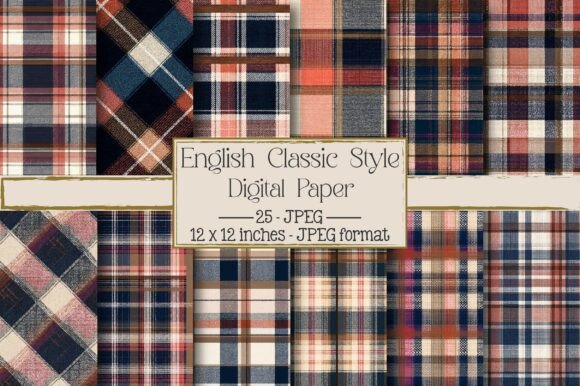
One of the most compelling aspects of English Classic Style is its practical application across various domains. For example, in the realm of print design, the use of solid color distressed effects—such as those found in the 25 Designs JPEG files—can add a layer of texture and depth that enhances the overall visual experience. These files, with their 300 dpi resolution and transparent background, offer a versatile solution for designers working on physical products like stickers, t-shirts, and wall decor.
Consider a graphic designer creating a series of custom stickers for a boutique shop. By incorporating a distressed effect inspired by English Classic Style, they can achieve a vintage look that complements the store’s aesthetic. The high-resolution format ensures that the final product looks sharp and professional, while the transparent background allows for seamless integration with different surfaces and backgrounds.
This approach is not limited to print design alone. Digital artists and web developers can also benefit from the principles of English Classic Style. A website designed with a classic layout and typography can provide a more immersive and user-friendly experience, encouraging visitors to engage with the content and stay longer. In this way, the style contributes to both the visual and functional aspects of digital design.
Connecting to Larger Developments
As we look to the future, it is clear that English Classic Style will continue to play a significant role in the design industry. Its emphasis on quality, craftsmanship, and timelessness aligns with broader movements toward sustainability and ethical consumption. Consumers are increasingly aware of the environmental impact of their choices, and many are turning to brands that prioritize longevity and value over disposable trends.
This trend is supported by advancements in technology that make it easier to produce and distribute high-quality design assets. The availability of downloadable files, such as the 25 Designs JPEG set, reflects this shift, allowing creators to access professional-grade resources without the need for physical inventory. This not only reduces waste but also empowers independent designers and small businesses to compete in a global market.
In conclusion, English Classic Style offers more than just a visual reference—it represents a mindset that values depth, integrity, and enduring beauty. As the creative and business landscapes continue to evolve, this style provides a reliable foundation for those seeking to make a meaningful impact. Whether through print, digital, or hybrid formats, the principles of English Classic Style remain as relevant and valuable as ever.