Spring Chinoiserie Toile De Jouy Paper: A Timeless Design for Modern Creations
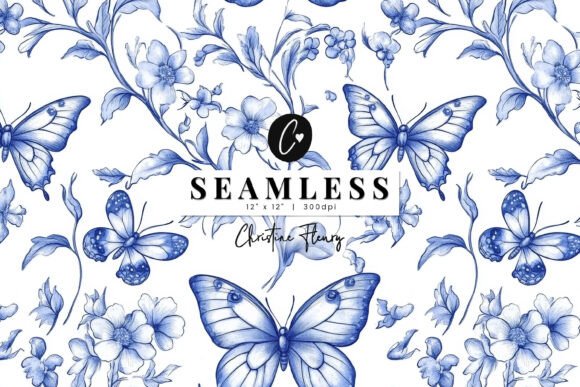
The Spring Chinoiserie Toile De Jouy Paper is a versatile and elegant design that blends classic French toile aesthetics with the charm of chinoiserie motifs. This seamless pattern, often available in high-resolution digital formats such as Spring Chinoiserie Toile de Jouy Digital Paper, offers a rich visual texture ideal for both print and digital applications. With its intricate details and timeless appeal, this paper has become a favorite among designers, hobbyists, and professionals alike.
Understanding the Elements of Toile de Jouy and Chinoiserie
To appreciate the value of the Spring Chinoiserie Toile De Jouy Paper, it’s important to understand its components. Toile de Jouy is a type of fabric or wallpaper featuring white-on-blue pastoral scenes within a decorative border. It originated in 18th-century France and remains popular for its nostalgic and refined look. Chinoiserie, on the other hand, refers to the European interpretation of Chinese art and design, often characterized by exotic flora, fauna, and ornate detailing.
Combining these two styles results in a unique aesthetic that marries the elegance of traditional French patterns with the whimsical, nature-inspired elements of chinoiserie. The Spring theme enhances this fusion by incorporating seasonal imagery—blossoming flowers, birds, and landscapes—creating a fresh and vibrant design suitable for various creative projects.
Technical Specifications and Quality
The Spring Chinoiserie Toile De Jouy Paper is typically offered in a 12” x 12” size at an impressive resolution of 3600 x 3600 pixels. Designed at 300 dpi, it ensures clarity and sharpness when printed or used digitally. The individual image is provided in .JPG format, making it compatible with most design software and printing equipment. Additionally, the pattern is seamless, allowing for easy tiling without visible breaks or distortions.
This level of detail and quality makes it an excellent choice for those who demand precision in their work, whether they are crafting physical items or designing for the web. The high-resolution format supports large-scale prints while maintaining crisp lines and vivid colors, essential for professional-grade output.
Applications Across Creative Fields
One of the key strengths of the Spring Chinoiserie Toile De Jouy Paper lies in its adaptability across multiple creative domains. From sublimation printing to scrapbooking and beyond, this pattern serves as a foundational element for countless artistic expressions.
Sublimation Printing
In sublimation printing, where heat transfers dye onto materials like ceramics, glass, or fabric, the Spring PNG version of the pattern proves particularly useful. Its transparent background allows for seamless integration with any color base, giving artists more control over the final appearance. Whether you're customizing mugs, phone cases, or apparel, the detailed floral motifs add a touch of sophistication and style.
Scrapbooking and Card Making
For paper crafters, the Spring Chinoiserie Toile De Jouy Paper provides an engaging backdrop that elevates the visual impact of handmade cards, albums, and layouts. The soft blue tones and delicate white illustrations create a sense of springtime nostalgia, perfect for documenting memories or sending heartfelt messages. Its ability to complement both bold and subtle accents makes it a go-to resource for those seeking a balance between elegance and creativity.
Invitations and Event Design
Weddings, baby showers, and garden parties benefit greatly from the use of this pattern. The Spring Chinoiserie Toile De Jouy Paper can be subtly layered beneath text or graphics to provide depth and interest without overpowering the message. Its historical roots also make it a great fit for events with a vintage or romantic theme.
Blog and Web Design
Designers working in digital spaces can utilize the digital paper variant to enhance blog headers, website backgrounds, or even email templates. The pattern adds a decorative yet non-distracting element that can help establish a brand’s aesthetic. For example, a lifestyle blog focused on spring fashion might incorporate the Spring PNG into its header to reflect the season’s themes naturally and stylishly.
Backgrounds and More
Beyond stationery and web design, this paper is ideal for creating custom backgrounds for photography, digital art, or social media content. Its subtle complexity ensures it won’t compete with foreground elements but still contributes to a polished and cohesive look. Educators might use it for printable worksheets or classroom decorations, while business owners could integrate it into branded packaging or promotional materials.
Why Choose Spring Chinoiserie Toile De Jouy Paper?
There are several compelling reasons why creators and professionals opt for the Spring Chinoiserie Toile De Jouy Paper. Its blend of historical inspiration and modern usability makes it stand out in a crowded market of design assets.
- Elegant Versatility: Suitable for both formal and casual projects, this pattern adapts well to different color schemes and stylistic preferences.
- High-Resolution Clarity: The 300 dpi specification ensures that every line and curve remains sharp, even when printed at larger sizes.
- Seamless Repetition: As a repeatable pattern, it can be effortlessly tiled to cover expansive surfaces without losing continuity or quality.
- Seasonal Relevance: The spring motif aligns perfectly with seasonal marketing, product launches, and personal projects tied to renewal and freshness.
- Timeless Appeal: Combining French and East Asian influences, this design transcends trends and maintains broad appeal across cultures and eras.
Practical Advantages for Users
From a user perspective, the Spring Chinoiserie Toile De Jouy Paper is not only beautiful but also practical. Hobbyists will find it easy to work with using common tools like Photoshop, Illustrator, or Canva. Educators may use it in teaching modules about pattern design or cultural influences in art. Researchers studying design history might reference it as a contemporary adaptation of classical motifs.
Professionals in graphic design and interior decoration can leverage the pattern to add a touch of refinement to client projects. Business owners looking to differentiate their products through custom packaging or branding will appreciate how quickly and effectively this paper can be integrated into their workflows.
Considerations When Using the Pattern
While the Spring Chinoiserie Toile De Jouy Paper is highly adaptable, there are a few considerations to keep in mind depending on your intended use.
- Color Matching: Since the pattern features a white-on-blue palette, consider how it interacts with your chosen text or images. White text may need to be slightly adjusted in brightness or contrast to remain legible against lighter areas of the design.
- Printing Surface: Ensure that the material you're printing on complements the pattern’s subtlety. Darker substrates can intensify the blue hues, while lighter ones may require additional ink coverage for visibility.
- Design Layering: If layering this pattern with other design elements, maintain a balance to avoid clutter. Use transparency or scale adjustments to integrate it smoothly into your composition.
- File Format Awareness: The .JPG format is best suited for print projects, while the Spring PNG file is more appropriate for digital overlays or sublimation due to its transparent background.
Real-World Examples and Observations
Many independent artists have successfully incorporated the Spring Chinoiserie Toile De Jouy Paper into their portfolios. One notable example includes a wedding planner who used the pattern as a background for save-the-date cards and table settings, resulting in a cohesive and memorable event aesthetic. Another instance involved a blogger who designed a series of spring-themed posts using the digital paper as a canvas, enhancing the site’s visual identity without overwhelming the reader.
Interior decorators have also found the pattern useful for creating mockups of wall treatments or furniture upholstery. The ability to simulate how the design would appear in a space helps clients visualize the end result before committing to a purchase.
Tips for Effective Use in Projects
To get the most out of the Spring Chinoiserie Toile De Jouy Paper, consider the following tips tailored to different applications:
- For Sublimation: Always test the pattern on a small area first to ensure the colors react well with the substrate. Adjust opacity if needed to achieve the desired effect.
- For Print Projects: Use CMYK color profiles when preparing files to ensure accurate color reproduction. Also, allow for bleed if printing on full sheets.
- For Web and Blog Design: Optimize the file size without compromising quality. Use the PNG format when transparency is necessary for layered designs.
- For Scrapbooking: Pair the pattern with complementary papers and embellishments to build a harmonious layout. Consider using it as a focal point rather than a dominant feature.
Customization Possibilities
Although the Spring Chinoiserie Toile De Jouy Paper comes ready to use, it can also serve as a base for customization. Artists may alter the color scheme to match specific palettes, educators can overlay educational content for themed lessons, and businesses can combine it with logos or typography to create a personalized look. These modifications are made simple thanks to the high-resolution format and compatibility with major editing tools.
Conclusion
The Spring Chinoiserie Toile De Jouy Paper is more than just a decorative pattern—it's a bridge between tradition and innovation. Whether you’re a professional designer, a passionate hobbyist, or someone looking to enhance your personal or business projects, this pattern offers a wealth of possibilities. Its technical excellence, aesthetic richness, and functional flexibility make it a valuable asset in today’s creative landscape.
Designed by Christine ❤, this pattern reflects a deep understanding of both historical design and modern application needs. Its continued popularity across diverse fields speaks to its enduring relevance and universal charm.