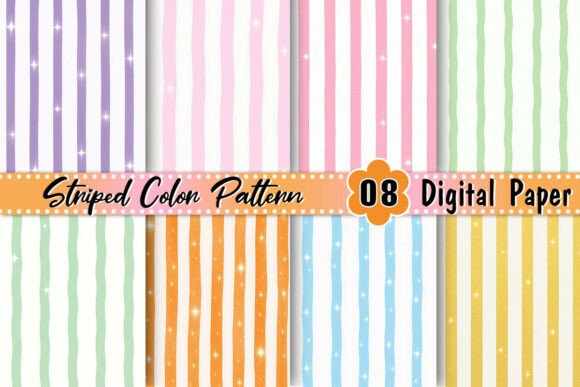
Striped Color Pattern: A Versatile Design Element
The Striped Color Pattern is a timeless and adaptable visual motif that has been used across various industries for decades. It consists of parallel lines or bands of alternating colors, which can be arranged horizontally, vertically, or diagonally to create a wide range of effects. Whether you're designing clothing, home decor, digital content, or marketing materials, the Striped Color Pattern offers a dynamic yet simple way to add interest and structure to your work.
Understanding the Striped Color Pattern
A striped color pattern typically features two or more distinct colors in repeating lines. The width, spacing, and orientation of these stripes can dramatically influence the overall look and feel of the design. For example, narrow vertical stripes might give a sleek, modern appearance, while bold horizontal stripes can convey stability and simplicity. This pattern is not only visually appealing but also versatile enough to suit both minimalist and vibrant aesthetics.
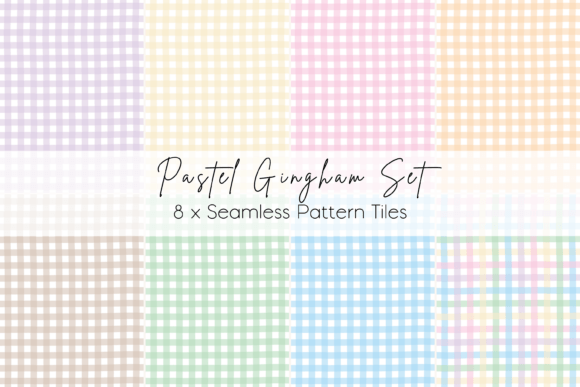
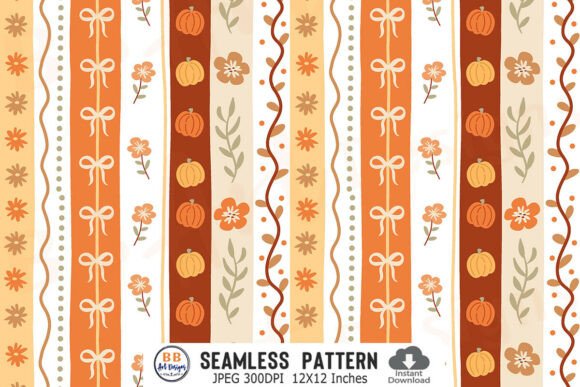
In the context of digital images, such as the Striped Color Pattern 8 JPG Digital Images with non-seamless tiling and 300 DPI resolution, this design element becomes even more powerful. High-resolution striped textures are ideal for print media, web backgrounds, product mockups, and creative projects where clarity and detail matter most.
Why Different Audiences Care About Striped Patterns
While the Striped Color Pattern may seem like a simple design choice, it resonates differently with various audiences. Let’s explore how different groups perceive and use this pattern:
For Beginners and Hobbyists
If you're just starting out in graphic design, fashion, or DIY crafting, the Striped Color Pattern is an excellent entry point. Its repetitive nature makes it easier to understand and apply compared to more complex motifs. With the Striped Color Pattern 8 JPG Digital Images, hobbyists can experiment with layout and color combinations without needing advanced tools or skills.
- Example Use: A beginner blogger might use a striped background for their website header to create a clean and modern look.
- Priorities: Ease of use, affordability, and learning value are key for beginners.
For Creators and Entrepreneurs
Creators, especially those in fashion or interior design, often rely on striped patterns to evoke certain emotions or styles. These patterns can communicate professionalism, playfulness, or elegance depending on the execution. Entrepreneurs selling products with striped designs need high-quality, royalty-free images to maintain brand consistency and appeal to their target market.
- Use the images in product photography to showcase fabric swatches or printed materials.
- Apply them as overlays in social media posts or packaging mockups to highlight texture.
- Create cohesive branding across digital platforms by using the same pattern consistently.
For this group, the non-seamless format is often preferred because it allows for intentional placement and framing, avoiding the sometimes jarring repetition seen in seamless tiles.
For Educators and Students
Educators and students benefit from the Striped Color Pattern when studying design principles, symmetry, and visual perception. These images serve as valuable teaching tools in classrooms focused on art, design, or even science (such as in biology for cell structures or ecology for zebra camouflage).
Using the 300 DPI resolution ensures that details remain sharp during classroom presentations or printed handouts. Educators may also appreciate the flexibility of having eight different variations to demonstrate how subtle changes in stripe direction, width, and color affect the viewer's experience.
For Business Owners and Marketers
Business owners and marketers know the power of visuals in branding and advertising. The Striped Color Pattern can be used strategically to enhance product visibility and customer engagement. In retail environments, for instance, striped backgrounds can make items stand out while maintaining a professional tone.
Marketers may find these images particularly useful for creating promotional materials that align with seasonal themes or campaigns. The non-seamless format ensures they can crop and frame the image exactly how they want, making it suitable for banners, posters, or even email newsletters.
For Freelancers and Publishers
Freelancers who offer graphic design services or publishers working on magazines and books often require diverse textures and patterns. The Striped Color Pattern 8 JPG Digital Images provide a ready-to-use resource that can be incorporated into layouts without requiring custom illustrations or lengthy design sessions.
With a resolution of 300 DPI, these images are suitable for both digital and print formats. They can be used as section dividers, headers, or background elements in editorial spreads, adding a sense of rhythm and order to the page.
How to Choose the Right Striped Color Pattern for Your Project
Selecting the right type of striped pattern depends largely on your specific needs and the audience you’re targeting. Here are some factors to consider:
Resolution and Quality
When it comes to printing or high-quality displays, the 300 DPI resolution offered by these images is essential. Lower resolutions can lead to blurry edges and pixelation, especially when scaled up. If you're planning to use the pattern in physical merchandise, signage, or large-format prints, always prioritize quality over quantity.
Pattern Type: Seamless vs. Non-Seamless
Seamless patterns repeat seamlessly across surfaces, making them great for wallpapers or fabric simulations. However, if you want full control over the placement and framing—like using a stripe pattern as a border or decorative accent—the non-seamless option gives you more flexibility. This is especially true for designers who want to incorporate the pattern into specific compositions without worrying about visible seams.
Color and Style Considerations
Each of the eight images likely presents a unique color scheme or variation. Think about what message you want to send through your design. Bold red and white stripes might convey urgency or excitement, while muted grays and whites could suggest sophistication and calm.
Here are some examples based on industry:
- Fashion: Diagonal stripes in contrasting colors can slim silhouettes and add visual interest to garments.
- Web Design: Subtle horizontal stripes can break up sections of a webpage without overwhelming the user.
- Interior Design: Vertical stripes on walls or textiles can create the illusion of height in small spaces.
Real-World Applications of Striped Color Patterns
Let’s take a closer look at how different professionals and creatives can integrate these images into their workflows:
Graphic Designers
Graphic designers can use the Striped Color Pattern 8 JPG Digital Images as a base for infographics, brochures, or app interfaces. By layering text or icons over the pattern, they can guide the viewer's eye and create a structured visual hierarchy.
Photographers and E-commerce Businesses
Photographers might overlay a striped pattern onto product photos to emphasize texture or contrast. For e-commerce businesses, this technique can help differentiate products in a crowded marketplace by adding a consistent, recognizable design element across listings.
Print Shops and Packaging Designers
Print shops will appreciate the high resolution and variety of options available. These images can be used for custom calendars, posters, or stationery. Packaging designers can apply the pattern to boxes, bags, or labels to create a signature look for their client’s brand.
Matching Striped Color Pattern to Your Goals
Before diving into your next project, ask yourself a few questions to determine if the Striped Color Pattern is the right fit:
- Do I want to add structure or rhythm to my design?
- Is my audience likely to respond positively to a classic or modern pattern?
- Will the pattern enhance the message or distract from it?
- Am I looking for something easy to implement or highly customizable?
These questions help align the pattern with your goals. For instance, a small business owner aiming for a minimalistic logo might avoid heavy or colorful stripes, whereas a children’s toy company might embrace playful, bright, and bold versions.
Long-Term Use and Adaptability
One of the biggest advantages of the Striped Color Pattern is its longevity. Unlike trendy motifs that fade quickly, stripes have remained popular across cultures and time periods. This makes them a reliable choice for long-term branding, educational materials, or creative portfolios.
Moreover, these digital images can be adapted to multiple uses. You can scale them down for mobile apps, stretch them for banners, or combine them with other patterns for layered designs. Their adaptability ensures they stay relevant across evolving trends and technologies.
Conclusion
The Striped Color Pattern is much more than a decorative feature—it's a strategic design tool that can elevate your work, no matter your profession or passion. From bloggers to marketers, educators to entrepreneurs, each group can find unique ways to leverage these eight high-quality JPGs with non-seamless tiling and 300 DPI resolution.
Whether you're looking to add a touch of elegance, simplify a complex layout, or inject energy into a dull space, the Striped Color Pattern is a versatile solution. Just remember to match the pattern’s style and application to your specific needs, and you’ll unlock its full potential in any project.